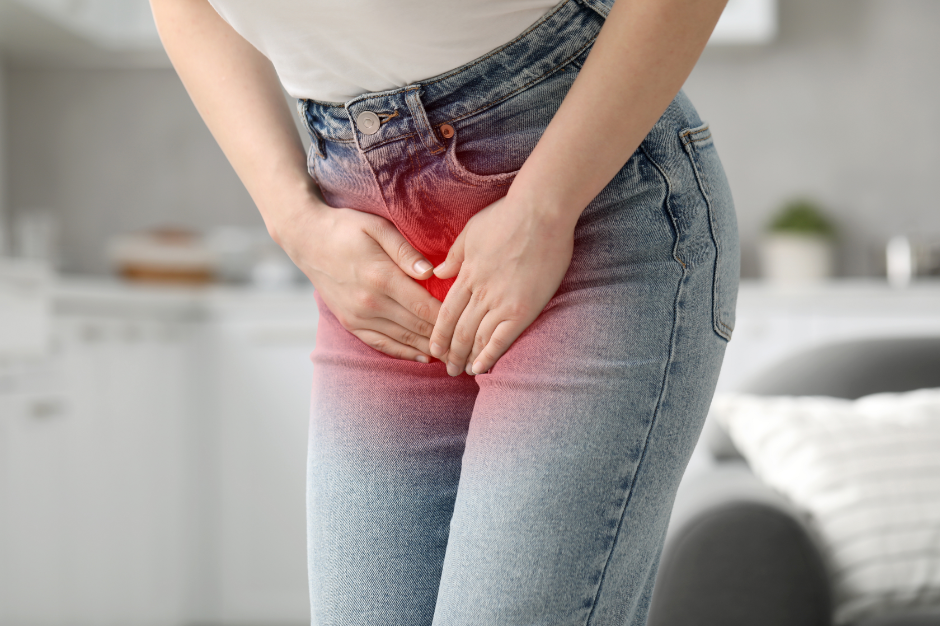
Lower Urinary Tract Symptoms (LUTS) are among the most common urological complaints, especially in adult and ageing men, though women can also be affected. LUTS can significantly impact daily life—causing sleep disturbance, anxiety, social embarrassment, and reduced quality of life.
If you’re experiencing urinary frequency, weak urine flow, urgency, nocturia, or incomplete bladder emptying, it’s important to understand that LUTS is not a disease itself, but a collection of symptoms that usually point to an underlying urological condition.
This comprehensive guide explains what LUTS is, its causes, symptoms, diagnosis, and modern management options, with expert insights aligned with the clinical approach of Dr. Anup Gulati, a leading urologist in India.
What Are Lower Urinary Tract Symptoms (LUTS)?
Lower Urinary Tract Symptoms (LUTS) refer to a group of symptoms related to problems in the bladder, prostate, urethra, or urinary sphincter. These symptoms are broadly classified into three categories:
- Storage Symptoms
- Voiding Symptoms
- Post-Micturition Symptoms
Understanding this classification helps doctors identify the root cause and plan targeted treatment.
Types of LUTS Explained
1. Storage Symptoms
These symptoms occur while the bladder is filling with urine:
- Increased urinary frequency
- Urgency (sudden, strong need to urinate)
- Nocturia (waking up at night to urinate)
- Urinary incontinence
2. Voiding Symptoms
These occur during the act of urination:
- Weak urine stream
- Hesitancy (difficulty starting urine flow)
- Intermittent stream (start-stop urination)
- Straining to pass urine
3. Post-Micturition Symptoms
These occur after urination:
- Feeling of incomplete bladder emptying
- Post-void dribbling
Common Causes of LUTS
LUTS can result from multiple conditions, and proper diagnosis is essential before starting treatment.
1. Benign Prostatic Hyperplasia (BPH)
The most common cause of LUTS in men over 40. An enlarged prostate compresses the urethra, restricting urine flow.
2. Overactive Bladder (OAB)
A bladder muscle problem that causes urgency, frequency, and nocturia, even when the bladder is not full.
3. Urinary Tract Infection (UTI)
Infections can irritate the bladder and urethra, leading to burning urination, urgency, and frequency.
4. Bladder Outlet Obstruction
May be caused by prostate enlargement, urethral stricture, or bladder neck dysfunction.
5. Prostatitis
Inflammation of the prostate gland, often causing pain, burning urination, and LUTS.
6. Neurological Conditions
Diseases affecting nerve supply to the bladder, such as:
- Diabetes
- Stroke
- Parkinson’s disease
- Spinal cord disorders
7. Bladder Stones or Tumors
Less common but important causes that must be ruled out, especially if blood in urine is present.
Symptoms That Should Not Be Ignored
Consult a urologist immediately if LUTS is associated with:
- Blood in urine
- Recurrent UTIs
- Severe pain or burning
- Sudden inability to urinate (acute urinary retention)
- Fever or chills
- Progressive worsening of symptoms
Early intervention can prevent serious complications.
How LUTS Is Diagnosed
Accurate diagnosis is key to effective management.
1. Detailed Medical History
Assessment of:
- Symptom duration and severity
- Medication use
- Lifestyle factors
- Associated conditions
2. Symptom Scoring (IPSS)
The International Prostate Symptom Score (IPSS) helps quantify symptom severity and guide treatment.
3. Physical Examination
Including abdominal and prostate examination when indicated.
4. Laboratory Tests
- Urine analysis
- Urine culture
- PSA test (when required)
5. Imaging & Functional Tests
- Ultrasound (prostate, bladder, kidneys)
- Uroflowmetry (urine flow test)
- Post-void residual urine measurement
Management of LUTS: What Actually Works?
Treatment depends on the cause, symptom severity, and patient preference.
1. Lifestyle & Behavioral Modifications
Recommended for mild LUTS:
- Reduce evening fluid intake
- Limit caffeine and alcohol
- Timed voiding
- Bladder training exercises
- Weight management
2. Medical Management
a. Alpha-Blockers
Help relax bladder neck and prostate muscles to improve urine flow.
b. 5-Alpha Reductase Inhibitors
Used in enlarged prostate to reduce prostate size over time.
c. Antimuscarinics / Beta-3 Agonists
Used for overactive bladder symptoms like urgency and frequency.
d. Antibiotics
Prescribed if infection is detected.
3. Minimally Invasive Treatments
For patients not responding to medications:
- Laser prostate surgery
- Endoscopic procedures
- Day-care urological interventions
These offer faster recovery and effective symptom relief.
4. Surgical Management
Reserved for:
- Severe obstruction
- Recurrent urinary retention
- Kidney damage due to LUTS
Surgery is decided only after thorough evaluation.
Why Early Management of LUTS Is Important
Ignoring LUTS can lead to:
- Acute urinary retention
- Recurrent infections
- Bladder damage
- Kidney dysfunction
- Reduced quality of life
Timely consultation with a urologist ensures safe, effective, and personalised treatment.
Role of a Urologist in LUTS Management
A urologist focuses on:
- Identifying the exact cause
- Preventing complications
- Avoiding unnecessary surgery
- Offering advanced, evidence-based treatment
About Dr. Anup Gulati
Dr. Anup Gulati is a senior urologist with extensive experience in managing lower urinary tract symptoms, prostate disorders, urinary infections, and complex urological conditions. He is known for his patient-centric approach, clear communication, and advanced minimally invasive treatments, helping patients achieve long-term relief and improved quality of life.
When Should You Consult Dr. Anup Gulati for LUTS?
Seek expert urology care if:
- Symptoms persist or worsen
- Nighttime urination disrupts sleep
- Urine flow becomes weak or interrupted
- Medications are ineffective
- You experience pain or blood in urine
Frequently Asked Questions (FAQs)
1. Is LUTS the same as prostate enlargement?
No. BPH is a common cause, but LUTS can occur due to bladder or neurological problems as well.
2. Can LUTS occur in younger men?
Yes. Infections, prostatitis, and lifestyle factors can cause LUTS at any age.
3. Can LUTS be cured completely?
Many patients experience significant improvement with proper treatment.
4. Is surgery always required for LUTS?
No. Most cases are managed with lifestyle changes or medication.
5. Does LUTS affect kidney function?
Severe untreated LUTS can affect kidneys over time.
6. Can women have LUTS?
Yes. Bladder disorders and infections commonly cause LUTS in women.
7. How long does treatment take to show results?
Improvement depends on the cause—some see relief in weeks, others over months.
8. Which doctor should I consult for LUTS?
A urologist is the most appropriate specialist.