
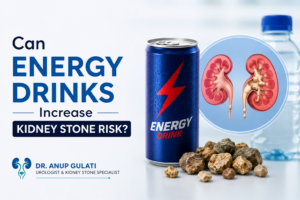
Energy drinks have become extremely popular among students, gym-goers, office professionals, and people with busy lifestyles. Many consume them daily for an instant energy boost, improved focus, or workout performance.
But what many people don’t realize is that excessive consumption of energy drinks may negatively affect kidney health and potentially increase the risk of kidney stones.
According to Dr. Anup Gulati, lifestyle habits and poor hydration are among the leading contributors to the rising number of kidney stone cases seen today, especially in younger adults.
What Are Kidney Stones?
Kidney stones are hard mineral deposits that form inside the kidneys when certain substances in urine become highly concentrated.
These stones may vary in size and can cause:
- severe pain,
- burning urination,
- blood in urine,
- nausea,
- and difficulty passing urine.
How Energy Drinks May Increase Kidney Stone Risk
- Dehydration
One of the biggest concerns with energy drinks is dehydration.
Many energy drinks contain high levels of caffeine, which may increase urine output in some people. When the body loses excess fluids and water intake is insufficient, urine becomes concentrated — increasing the chances of stone formation.
- High Sugar Content
Several energy drinks are loaded with sugar or high fructose corn syrup.
Excess sugar intake may:
- increase calcium levels in urine,
- affect kidney filtration,
- and contribute to stone formation over time.
- Increased Sodium Intake
Some energy beverages also contain significant sodium levels, which may increase calcium excretion through urine — another known risk factor for kidney stones.
- Poor Lifestyle Habits
Energy drink consumption is often associated with:
- poor sleep,
- low water intake,
- processed foods,
- high-protein diets,
- and long working hours.
Together, these factors can increase kidney stone risk.
Warning Signs of Kidney Stones
You should not ignore symptoms such as:
- severe pain in the back or side,
- pain radiating toward the lower abdomen,
- burning urination,
- blood in urine,
- nausea or vomiting,
- frequent urge to urinate.
If these symptoms occur, medical evaluation is important.
Who Is at Higher Risk?
People at greater risk include:
- individuals with low water intake,
- gym enthusiasts consuming supplements,
- people who frequently consume energy drinks,
- those with family history of kidney stones,
- patients with obesity or diabetes.
Young adults today are increasingly being diagnosed with kidney stones due to changing lifestyle habits.
How to Reduce Kidney Stone Risk
Drink More Water
Proper hydration is one of the best ways to reduce stone formation risk.
Limit Energy Drinks
Occasional consumption may not be harmful for everyone, but excessive daily intake should be avoided.
Reduce Excess Salt and Sugar
Balanced dietary habits help support kidney health.
Avoid Holding Urine for Long Periods
This can increase urinary complications in some individuals.
Seek Early Medical Advice
Persistent urinary symptoms should never be ignored.
Diagnosis and Treatment
Kidney stones are usually diagnosed using:
- ultrasound,
- CT scan,
- urine tests,
- and blood investigations.
Treatment depends on:
- stone size,
- location,
- and severity of symptoms.
Some small stones may pass naturally, while larger stones may require advanced urological treatment.
According to Dr. Anup Gulati, early diagnosis can help prevent complications and reduce the chances of severe pain or kidney damage.
Conclusion
Energy drinks may appear harmless, but excessive consumption combined with dehydration and unhealthy lifestyle habits can increase the risk of kidney stone formation.
Maintaining good hydration, balanced nutrition, and healthy lifestyle choices plays a major role in protecting kidney health. If you experience symptoms such as severe back pain, burning urination, or blood in urine, timely evaluation is essential.
Dr. Anup Gulati specializes in advanced diagnosis and treatment of kidney stones and other urological disorders using modern treatment approaches.
FAQs
Can energy drinks directly cause kidney stones?
Energy drinks may not directly cause stones in everyone, but excessive intake combined with dehydration can increase the risk.
Is caffeine bad for kidney stones?
Excessive caffeine without proper hydration may contribute to dehydration, which can increase stone risk.
How much water should I drink to prevent kidney stones?
Water requirements vary, but maintaining good hydration throughout the day is important.
What are the first symptoms of kidney stones?
Back pain, side pain, burning urination, nausea, and blood in urine are common early symptoms.
Are kidney stones becoming more common in young adults?
Yes. Poor hydration, processed diets, sedentary lifestyle, and energy drink consumption are contributing factors.